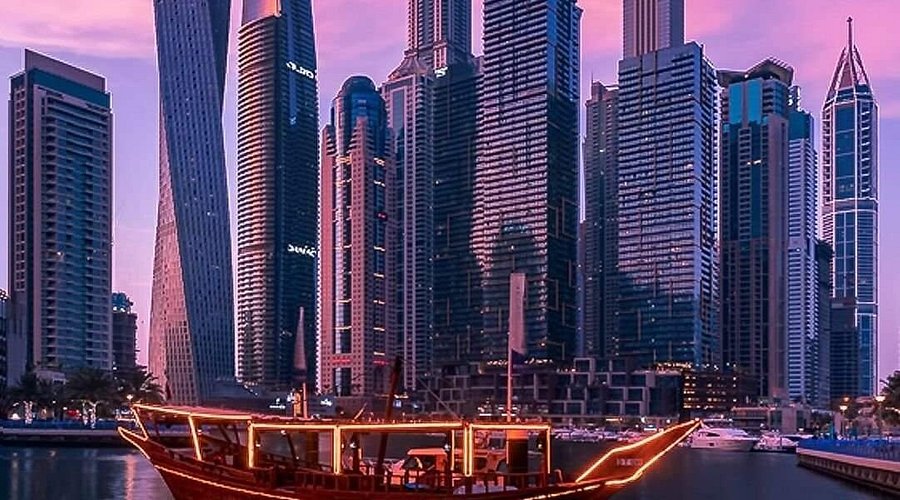
In February 2025, Dubai’s real estate market experienced a notable shift: a 0.57% decline in property prices, marking the first decrease in two years. This development has sparked discussions among investors, homeowners, and market analysts, prompting a closer examination of the underlying factors and implications for various stakeholders.
Beyond the headline figure of a 0.57% price drop, several key metrics provide deeper insight into the market’s current state. I believe it’s important to actually take good care of these data points so we can comprehend the global situation…
-
Sales Volumes: January 2025 witnessed a 4.6% decrease in sales volumes compared to December 2024, indicating a potential cooling in buyer activity.
-
Rental Market: Despite the price decline, rents have surged by 16% over the past year, driven by an influx of expatriates and a growing population.
-
Luxury Segment: The luxury property market has seen remarkable growth, with prices increasing by 147% over the past five years, attracting high-net-worth individuals worldwide.
Now, let’s study the real effects on investors:
Those who invested in Dubai’s real estate market over the past decade have generally seen substantial returns, particularly in the luxury segment. However, the recent price dip may prompt some to reassess their investment strategies, especially if they were banking on continuous short-term appreciation.
For individuals currently holding properties, the market’s stabilization suggests a period of steady rental income, given the rising rents, but with tempered expectations for capital appreciation.
Prospective investors might view this price correction as an opportune moment to enter the market, especially with the potential for long-term growth and attractive rental yields.
However, the message is clear: now or never! This is one of the last calls and the premise of a stabilization.
OK… OK, seems horrible, right? But it’s essential to consider global economic factors influencing Dubai’s real estate dynamics AND to compare Dubai’s market to other ones in the world:
Global Market Trends: Major Gulf markets have experienced downturns due to concerns about a potential U.S. economic slowdown, which can impact investor sentiment in Dubai.
Other Markets: While Dubai’s property prices have soared, other markets like London’s luxury property sector have seen price declines, offering better value for buyers.
Conclusion
The recent price decline in Dubai’s real estate market signifies a natural stabilization after years of rapid growth. For past investors, it may be a cue to reassess portfolios; for current stakeholders, it underscores the importance of focusing on rental yields; and for future investors, it presents a potential entry point into a market poised for sustainable long-term growth. As always, a comprehensive understanding of both local and global economic factors is crucial for making informed investment decisions.
I’m not concerned about this market right now: Dubai has a lot more perspectives and projects outside of real estate, and if Emaar announces a new project next week, the numbers will probably climb up again… Let’s keep our worries for at least 15–20 years.